Do I Need a Permit to Park a Van in Woodlands? Council Rules
Posted on 26/06/2026
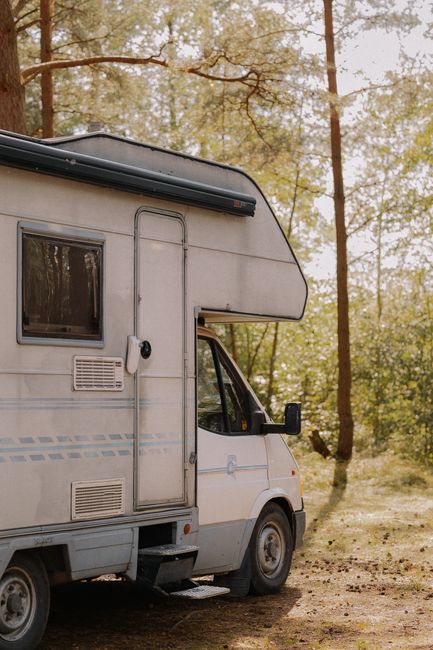
If you are planning a move, a delivery, or even a quick furniture collection, the question usually comes up fast: do I need a permit to park a van in Woodlands? The honest answer is: sometimes yes, sometimes no - and the details depend on where the van will sit, how long it will stay, and whether the road has local parking controls. That can sound fiddly, but it really does matter. One overlooked restriction can turn a straightforward move into a ticket, a delay, or a lot of unnecessary stress.
In this guide, we will break down how council parking rules usually work in Woodlands, what counts as a permit issue, when short stops may still be fine, and how to plan properly so your removal day runs smoothly. You will also find a practical checklist, a comparison table, and a few local-mover tips that make life easier. Let's face it, nobody wants to juggle boxes while staring at a yellow line and wondering if they've got this wrong.
Why Do I Need a Permit to Park a Van in Woodlands? Council Rules Matters
Parking rules exist for a reason. In residential streets, near flats, by estates, and on busy access roads, a van can quickly become a problem if it blocks driveways, squeezes past bends, or sits in a restricted bay. In Woodlands, that matters even more during moving times because vans are bigger than normal cars and often need space for loading, unloading, or longer waits than a standard visitor vehicle.
If you are moving house, the issue is not just about avoiding a fine. It is also about protecting your schedule. A van parked in the wrong place may be forced to move, which means missed loading windows, extra carrying distance, and a lot more walking with heavy items. That sounds small on paper, but after the third trip with a mattress or a stack of boxes, it stops being small.
For people using a professional removal team, parking permission can also affect whether the crew can work efficiently and safely. If the van has to park far away, then moving bulky items becomes slower and riskier. That is why many people planning a home move in the area also read practical guides like best van access near Woodlands Station and local route tips for moving from Woodlands Road before the big day.
There is also a wider truth here: parking permissions are usually easier to sort out before moving day than during it. A quick check in advance tends to save a surprising amount of hassle. Not glamorous, I know. But very effective.
How Do I Need a Permit to Park a Van in Woodlands? Council Rules Works
The basic idea is simple. If a van is going to park on a public road, in a bay, or in an area controlled by local restrictions, you need to check whether that location allows vans at all and whether a permit, waiver, dispensation, or paid parking session is required. The exact label can vary by council, but the principle stays the same: permission comes before parking, not after.
In practice, you usually need to think about four things:
- Location: Is it a permit zone, residents' bay, loading bay, yellow line, or unrestricted street?
- Time: Are you parking for a brief drop-off, a loading window, or several hours?
- Vehicle size: Some streets are fine for a car but awkward for a long wheelbase van.
- Purpose: Moving furniture, house clearance, office equipment, or a one-off delivery may be treated differently.
There is often a practical difference between "stopping to load" and "parking to leave the van there." That distinction matters. A short loading stop may be tolerated in some places where a full parking stay would not be. Still, the safe approach is not to assume. If the bay or road is controlled, get clarity first.
For moving jobs with heavier items, it can help to read up on handling and loading as well. Pages such as solo heavy lifting mastery and kinetic lifting advice are useful reminders that every extra metre from van to front door increases effort, time, and risk.
One small but important point: the rules can differ even within the same neighbourhood. A road with no controls at one end may become restricted near a junction, school, or narrow access point. That is the kind of detail people miss when they rely on "it looked fine last time."
Key Benefits and Practical Advantages
Sorting parking properly is not just about compliance. It gives you a calmer, smoother moving day. That alone is worth it, but there are a few more tangible benefits too.
- Less risk of penalties: You reduce the chance of parking tickets or enforcement action.
- Faster loading and unloading: The van can sit where the crew actually needs it.
- Lower physical strain: Fewer extra metres carrying awkward items makes a real difference.
- Better safety: Less rushing, fewer awkward lifts, fewer narrow-gap manoeuvres.
- Cleaner communication: Everyone knows where the van can go and what to expect.
There is another quiet advantage: confidence. When the parking plan is clear, the whole job feels more manageable. Boxes get moved in the right order. The kettle comes out earlier. People are less snappy. Funny how parking can affect the mood of a house move, but it absolutely does.
If you are comparing removal support options, it also helps to review the broader service setup, not only the van itself. The services overview page is a good starting point if you want to understand how transport, loading help, and planning fit together.
And if the move involves a tight staircase, a flat entrance, or limited kerb space, parking planning becomes even more valuable. A few minutes of prep can save an hour of awkward shuffling later. That is just the truth of it.
Who This Is For and When It Makes Sense
This is relevant for more people than you might think. Yes, it applies to full house moves. But it also matters for smaller jobs where a van is parked outside a property, even briefly.
You should think about van parking permissions if you are:
- moving into or out of a house, flat, or maisonette in Woodlands
- using a man and van or larger removal vehicle
- collecting bulky furniture from a shop or storage unit
- arranging an office move or business delivery
- clearing a property on a tight schedule
- loading items where the van may need to wait nearby
For students, it can be especially easy to underestimate access. Student lets often look simple from the outside, but parking can be awkward around shared drives, narrow streets, or busy move-in periods. If that sounds familiar, the student removals in Woodlands page may be useful for planning the practical side of the move.
Flat moves also tend to bring their own complications. Limited lift access, awkward loading points, and short parking windows can all push you towards getting permission sorted early. For that reason, it is often wise to check the site layout before the team arrives, not after they are carrying a wardrobe half-way down the pavement. Been there, seen that, not ideal.
Step-by-Step Guidance
Here is the simplest way to approach it without overthinking the whole thing.
- Check the road type. Look at whether the van will be on a private drive, a public street, or a controlled bay.
- Identify restrictions. Watch for permit signs, loading limits, yellow lines, bay controls, time restrictions, and suspension notices.
- Measure the practical stop. Ask yourself how long the van needs to be there. Five minutes is different from three hours.
- Confirm vehicle size. A standard car bay may not suit a taller or longer van, even if the road is technically open.
- Ask about permits or dispensation. If parking controls apply, find out whether a permit, visitor authorisation, or temporary loading allowance is needed.
- Build in a buffer. Plan for delays, neighbours' cars, weather, and the fact that moving days rarely run exactly to script.
- Brief everyone involved. Make sure the driver, helpers, and property contact all know the plan.
A good moving plan also means packing and room access are sorted in advance. If you are still at that stage, the complete packing checklist for house moving success is a sensible companion read. For decluttering before the van turns up, pre-move decluttering advice can save both space and time.
If you are using a professional service, ask them directly how they usually handle parking in Woodlands. A decent operator will be used to local access quirks and can often suggest a smarter approach before the van even sets off.
Expert Tips for Better Results
Most parking headaches are avoidable with a few steady habits. Nothing fancy. Just sensible prep.
- Take photos of signs and bays. If anything is unclear, a photo helps you remember the exact wording.
- Check both sides of the street. Restrictions can change from one side to the other, especially near junctions.
- Arrive early. The best spot is often taken first, particularly at peak moving times.
- Keep the load plan close to the van. This reduces carrying distance and awkward pauses.
- Use a helper as a spotter. One person watching traffic and pedestrians can make a big difference.
- Protect fragile items before they go anywhere near the curb. If you have specialist pieces, read up on why pianos require expert handling and similar care-led moving advice.
In our experience, the best moving days feel almost boring. The van parks where it should, the boxes go out in order, and nobody has to have a minor debate in the road at 8:15 in the morning. That calm is the goal.
If your move is a bigger one, it can also help to think about the route into and out of Woodlands rather than only the parking space itself. A narrow lane, a busy junction, or a busy school run can all affect how easy it is to stop safely. It sounds obvious, but people forget when they are rushing. We all do, to be fair.

Common Mistakes to Avoid
Parking mistakes tend to come from assumptions. The road looked fine yesterday. The van is only there "for a minute." The loading bay "should" be okay. That sort of thing. The problem is, moving days are when those guesses become expensive.
- Assuming a short stop never needs checking. Time limits can still apply.
- Ignoring van size. A space that fits a small car may not suit a removal van.
- Forgetting bay suspension or road works. A perfectly normal parking spot can become unavailable overnight.
- Leaving permit checks until the morning of the move. That is where the panic starts.
- Blocking driveways or turning areas. It can create neighbour issues very quickly.
- Not planning a fallback option. If the first space is gone, what is plan B?
Another common slip is underestimating how a bad parking position affects the rest of the move. If you are carrying a sofa down a narrow path, or a bed frame from a second-floor flat, every extra detour matters. Related guides like moving a bulky sofa down narrow Woodlands lanes and moving your bed and mattress safely show why access planning is never just a parking issue.
Also, do not forget the "soft" mistakes: messy hallways, unlabelled boxes, no one knowing which room gets cleared first. These are not council-rule problems, but they often show up on the same day. The whole thing gets harder, and everyone feels it.
Tools, Resources and Recommendations
You do not need a pile of specialist tools to handle parking well. But a few simple resources make the process far less messy.
- Printed notes or screenshots of parking signs, access notes, and arrival times
- A ruler or tape measure for checking whether the van and bay space are realistic
- Phone camera for capturing restriction signs and access issues
- High-visibility vest for anyone helping near the road, especially in poor light
- Floor protection and straps for making the loading phase smoother and safer
For broader moving prep, a good place to start is the packing and boxes service page, especially if you want to keep everything organised before the van is booked in. If you need help with moving heavier home furniture, furniture removals in Woodlands may also be relevant.
And if your move is more time-sensitive than planned, the avoid last-minute removals panic checklist is worth a look. Honestly, that kind of guide tends to save the day when things suddenly get messy.
Law, Compliance, Standards, or Best Practice
Parking and loading rules in the UK are shaped by local traffic orders, street signage, and council enforcement practices. That means there is rarely one single rule that fits every street in Woodlands. The safest approach is to treat the signs and local restrictions as the rulebook for that exact spot.
Where council-controlled parking is involved, the following best-practice principles usually apply:
- Read the on-street signs carefully. Do not rely on memory or guesswork.
- Check whether loading is permitted. Some restrictions allow loading only for a limited period.
- Keep the vehicle legal and considerate. Avoid blocking access, pavements, dropped kerbs, and turning space.
- Use permits or dispensations only as authorised. If you have an approval, keep it visible or accessible.
- Prioritise safety for pedestrians and neighbours. Parking compliance is not only about fines; it is about safe shared streets.
Because the exact council rules can vary, avoid treating any general online answer as a guaranteed pass. This is one of those topics where a careful check beats a confident assumption every time. The law and the signage are what matter, not what someone's cousin managed once on a Sunday morning.
If your move involves a property handover, end-of-tenancy clean, or an office exit, compliance becomes even more important because timing is tighter. It can help to review housekeeping-related moving advice too, such as house cleaning before relocating, so the entire process stays coordinated.
Options, Methods, or Comparison Table
When parking a van in Woodlands, you usually end up choosing between a few practical options. Here is a simple comparison to help you judge the trade-offs.
| Option | Best for | Pros | Watch out for |
|---|---|---|---|
| Unrestricted on-street parking | Short, straightforward loads | Simple, fast, low admin | Space may be limited; still check signs carefully |
| Resident or visitor permit parking | Longer stops in controlled streets | Useful if authorised properly | May require advance permission or a visible permit |
| Loading bay or temporary loading area | Moves with active loading/unloading | Close access, reduced carrying distance | Time limits and usage rules can be strict |
| Private drive or forecourt | Homes with off-street access | Often easiest and safest | Width, slope, surface strength, and turning room still matter |
| Alternative drop-off point | Narrow lanes or heavily restricted streets | Can avoid enforcement risk | More carrying distance and extra labour |
For many people, the best choice is not the one that looks closest on the map; it is the one that balances legality, access, and how much heavy lifting you want to do. The closest spot can be a false friend. It happens.
Case Study or Real-World Example
Here is a realistic example. A couple moving from a flat in Woodlands wanted the van parked directly outside the building entrance. At first glance it seemed easy enough, but the street had restricted bays and limited turning space. There was also a school nearby, so the usual parking spots filled up early.
Instead of arriving and hoping for the best, they checked the access in advance, asked about the closest permitted loading point, and built in an extra ten minutes for moving equipment from the van to the entrance. That small adjustment changed the tone of the day completely. The move was still busy, obviously, but it stayed orderly.
They also used a proper room-by-room packing sequence, which kept the van loading efficient. If you are getting ready for a similar move, the effortless house moving tactics guide offers a sensible mindset for the rest of the day.
The key lesson? Good parking decisions are usually boring decisions. That is a compliment, by the way. Boring means predictable, and predictable means safer.
Practical Checklist
Use this simple checklist before the van arrives.
- Check whether the street is controlled, restricted, or permit-based
- Confirm the van size against available space
- Look for loading bays, yellow lines, or suspension notices
- Decide whether the stop is brief loading or a longer parking period
- Arrange any permit, visitor authorisation, or temporary approval in advance
- Save photos of the relevant signs and access points
- Notify anyone else involved in the move of the parking plan
- Identify a fallback spot if the first option is taken
- Keep boxes, trolleys, and straps ready near the entrance
- Make sure the driver knows where the safest approach point is
If you are already close to moving day, this is also the point where a last-minute review of removals quotes in Woodlands can help you understand what is included and what may cost extra if access is awkward.
Expert summary: the best parking plan is the one that is legal, realistic for the van size, and close enough to keep lifting to a minimum. If you cover those three things, the rest gets easier fast.
Get a free quote today and see how much you can save.
Conclusion
So, do you need a permit to park a van in Woodlands? Sometimes yes, sometimes no - but the only safe answer is to check the exact road, the exact signs, and the exact length of time the van will be there. That is the real rule. Not guesswork, not habit, and not "it'll probably be fine."
Once parking is sorted, the rest of the move becomes much easier to manage. You carry less, wait less, and worry less. That might sound like a small thing, but on moving day small things stack up quickly. A clear parking plan gives you one less thing to think about, and honestly, that is worth a lot.
If you are preparing for a move in or around Woodlands, a bit of planning now can save you from a very long and very annoying day later. And that is the kind of win that feels good all the way through the evening.


